 Maximized
One YouTube video brought Andy Stauring $660K: the system behind it
$660,000
That's what one YouTube video brought Andy Stauring
Not a whole channel. Not a year of content. One video
Andy teaches ecommerce and dropshipping. His channel has 182K subscribers, and his program isn't a $49 course you buy at 2am. It's high-ticket. You apply, you get on a call, and only then do you hear the price
So that $660K isn't ad money from views. It's money from people who watched, decided they trusted him and bought
From what's been reported publicly, his program sits around $8,500. At a price like that, $660K is roughly 77 people. That's my math, not his number, but think about what 77 high-ticket clients from one video would do to your year
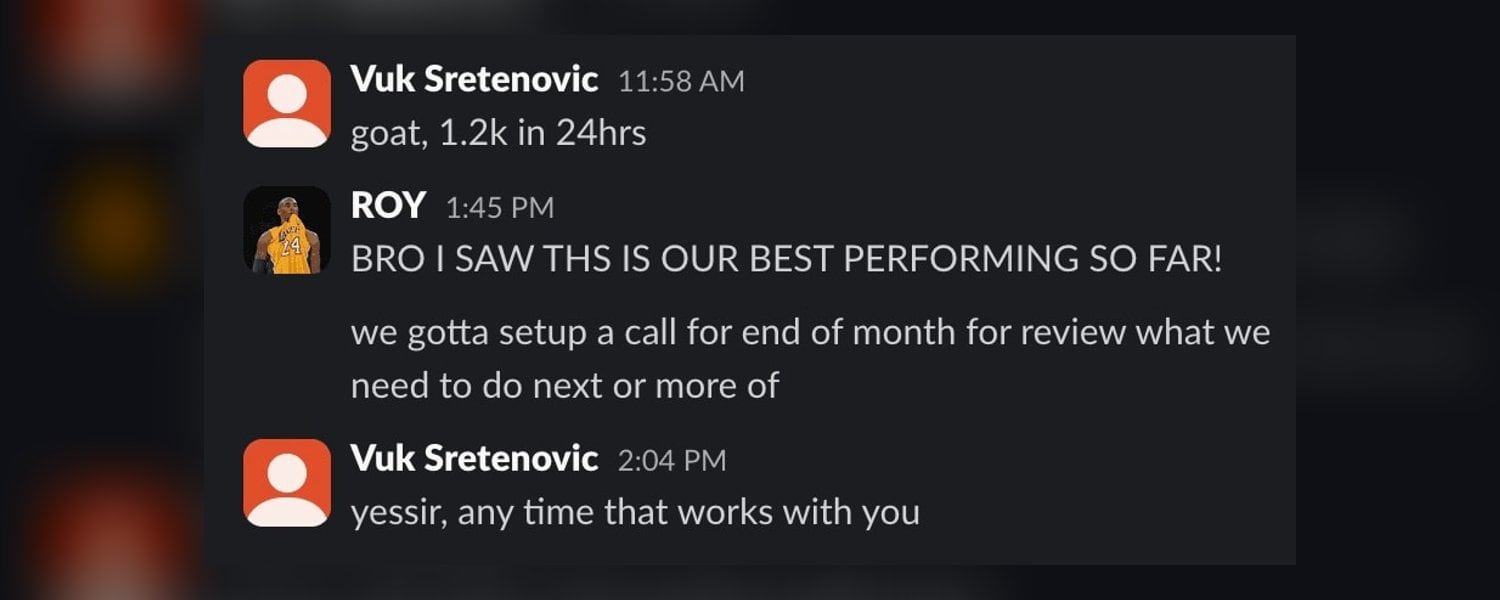
And the message Andy sent me after one of our videos wasn't a speech. It was this:
"Amazing thank you brotha!" and "The video was done really well after all the adjustments thank you very much!"
After all the adjustments. Remember that line, it comes back later
Show more 11 min read
If you're a coach, consultant or course seller doing $50k a month, you already have the hard part. An offer that works. Calls that close. Clients who get results
What you don't have is the thing that brought Andy $660K. A video that sells for you every day, to people you've never met, while you're doing something else
Here's how that works, and why most people who try it end up with views and no calls
Where most coaches start, and the belief that keeps them stuck
I started on YouTube in 2019 making gaming videos as a teenager. Still the best marketing education I've ever had. You learn fast what makes people click, stay and leave, and there's nobody to blame but yourself
Later I was editing 10+ long-form videos a day by myself. I got really fast. I didn't get better at making videos that sold anything
That's exactly where most coaches are with YouTube right now. Not lazy, not bad on camera. They just believe the wrong thing
The belief goes like this: YouTube is a views game. You need a big channel, you need to go viral, and only then does the money show up
So they either never start, or they start, chase views for a few months, see no calls and quit
Every coach has thought about starting a YouTube channel. Almost none of them uploaded 50 videos
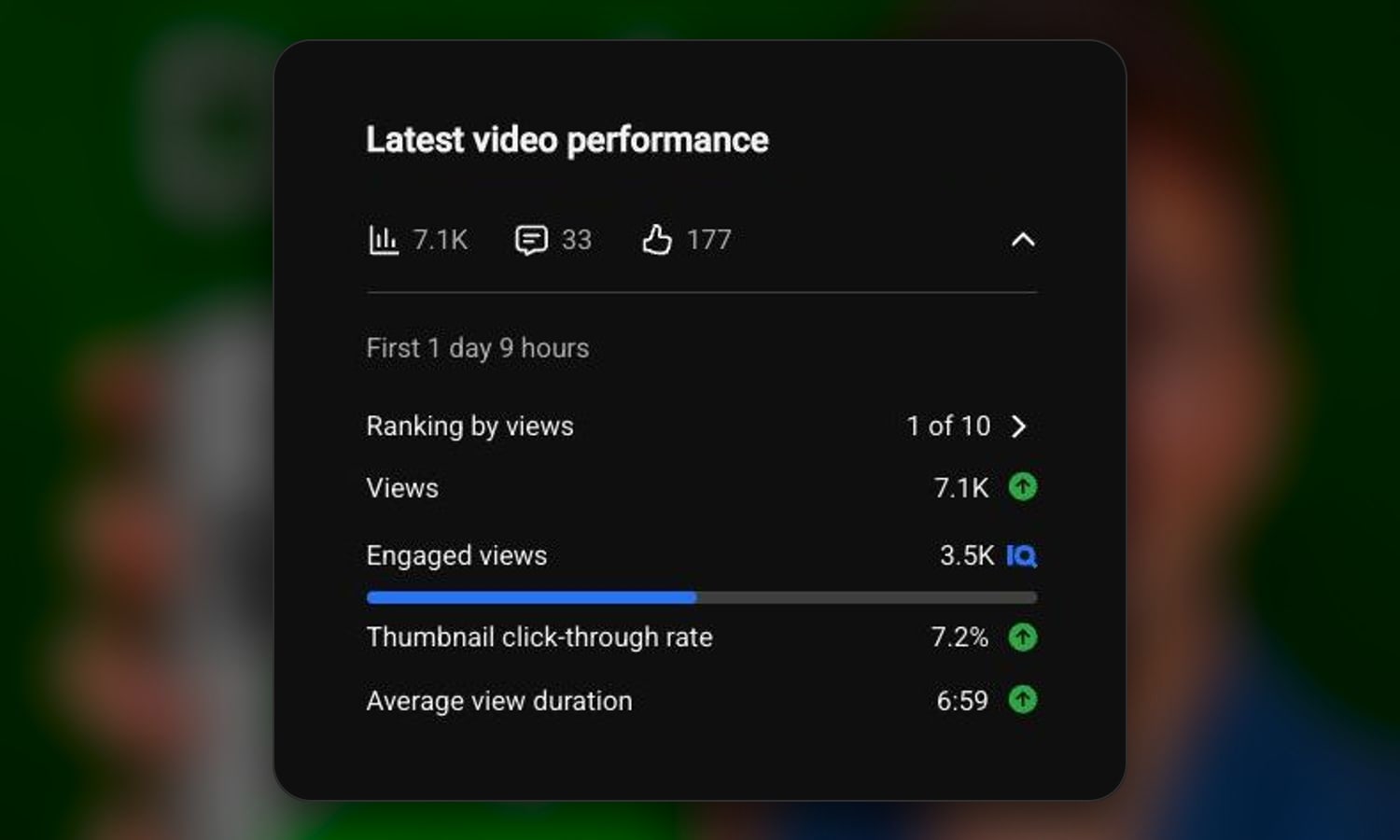
Andy's number breaks that belief. So does Roy's. Roy's channel had 11.8K subscribers when he told me they'd closed over $80,000 in cash collected from three videos
Small channel. Real money. Because the videos were made to sell, not to trend
Every excuse I hear, and why it doesn't hold
"I don't have time to film"
You don't need time to make videos. You need time to record them. On our side we plan, script, edit, package and publish, and the client records. Andy's week of dropshipping wasn't extra work on top of his business. It was his business with a camera pointed at it
"YouTube is for kids"
I started there as a kid, so I get why people think that. But the person searching "how to start dropshipping" at 11pm isn't 12. It's an adult with a credit card deciding who to learn from. We made Andy a video for exactly that search: "How to Start Dropshipping in 2025 (Beginners Guide)"
"I tried an editor"
Most coaches have. And they got what I used to deliver: a fast, clean video that sold nothing. An editor makes footage look good. Nobody asked what the video was supposed to get you
"My audience isn't on YouTube"
Your buyers search before they buy. They search the problem you solve, the result you promise, your name and your competitors' names. If there's no video from you, they still find a video. Just not yours
"My channel is too small"
Sam Jacobs had 11.7K subscribers when one of our videos for him did 22K views. Roy had 11.8K when three videos collected $80K. Small is fine. Wrong is the problem
Now the math, because this is what you're really losing. These are example numbers, not a promise: if one video books 3 calls a week and you close one of them at $5k, that's around $20k a month from a single video
And unlike an ad, it doesn't switch off when you stop paying
If you already know you need this, don't wait for the rest of the article. DM me the word YOUTUBE and I'll look at your channel myself and tell you what I'd change first
1. Decide what the video has to get you
When I stopped editing on autopilot, I started asking every client one question before touching the footage: what is this video supposed to get you?
Not views. Not subscribers. Get you. Calls booked, applications, people joining your program
That one question changes everything after it. The title, the first 30 seconds, what you show on screen, where the call to action goes, even which footage gets cut
Andy's business is easy to describe. He teaches people to build and run online stores. So every video has one job: make the right person think, this guy actually does it, and I want him to show me
A video without that job is just content. It might get views. It won't get calls
How you do it: before you film, write one sentence. "This video should get me [action] from [person]". If you can't fill it in, don't film it yet
Once you know what the video is for, the next question is what to film. And this is where most coaches get it backwards
2. Film the proof, not the lesson
Most coaches film lessons. Five tips. Three mistakes. My framework on a whiteboard
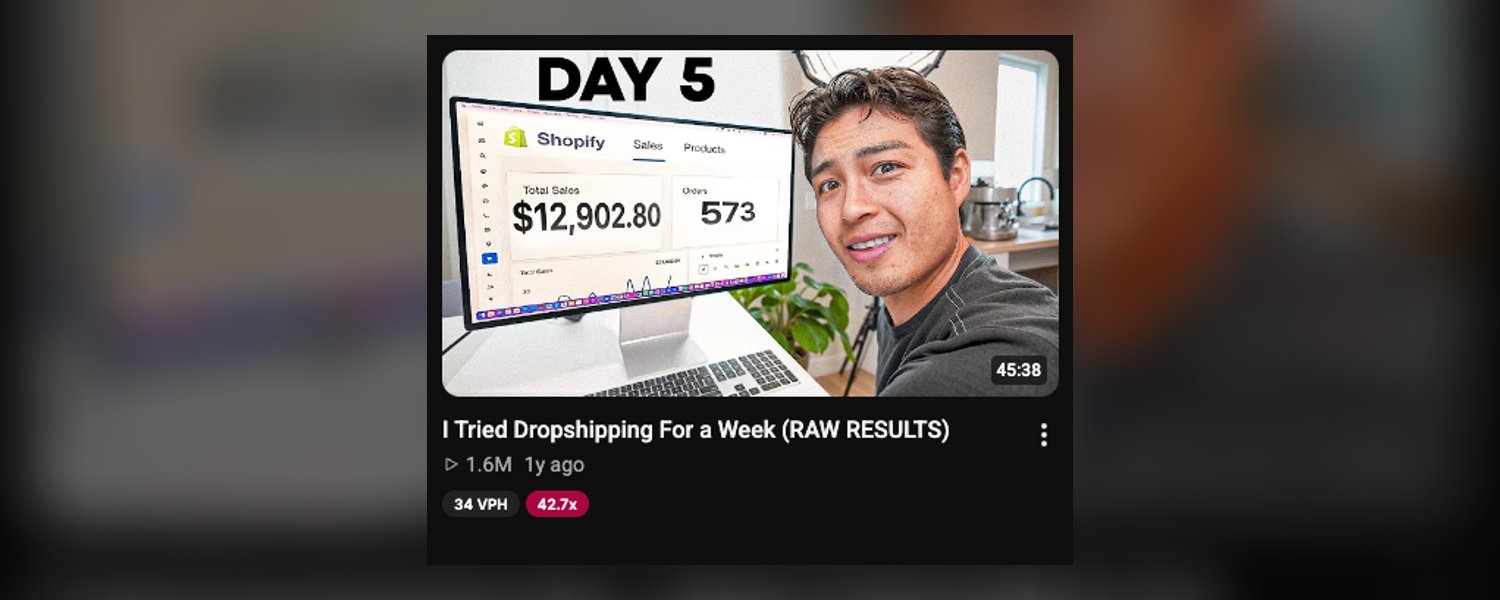
The Andy video I love most isn't a lesson. He tried dropshipping for a week and showed the real results. Raw, with the title saying exactly that. It's close to 1.6M views
Why it works: a lesson asks the viewer to believe you. Proof lets them watch it happen. Nobody books a high-ticket call because you had good tips. They book because they saw you do the thing they want to do
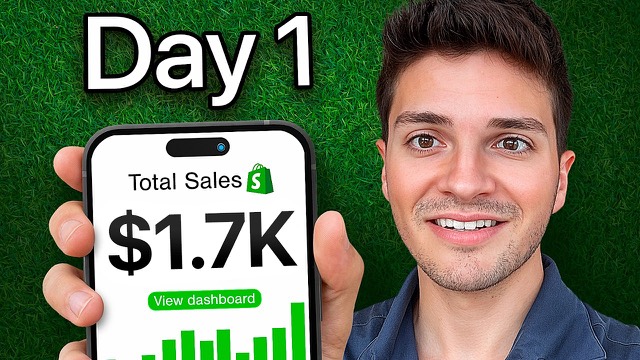
And it isn't just Andy. Anthony Eclipse's "72 Hour Dropshipping Challenge ($0-$1,000)" did 140K views, 5.9x his usual. The thumbnail is just Hour 1 with $0 in sales next to Hour 72 with $1,069
Hassan Bazzi, "I Tried Dropshipping Using Only AI for 7 Days (RAW Results)". Sam Jacobs, "I Tried Dropshipping For 76 Days (LIVE RESULTS)". Same shape every time: a real attempt, a real time limit and real numbers on screen
How you do it if you're a coach or consultant: take something you do for clients and do it on camera, with a deadline and a number. Fix one client's offer in a week. Run your own outreach for 7 days and show the calls it booked. Rebuild a funnel and show the before and after
Your lesson still goes in. It just goes inside the proof, where people actually believe it
I wrote out the whole system for these videos: the one question, the 3 videos to film first, 12 title formulas from client videos that beat their usual views, the raw-results script outline and how we track which video booked which call
Reply PROOF to this article on X and follow me, and I'll DM you the full Proof Video System
Because a great proof video with a weak title is a video nobody sees. Which brings me to the part most coaches hand to the cheapest designer they can find
3. Package it like an ad, because it is one
Thumbnail designers charging $20 are pricing it like a graphic. It's not a graphic. It's the ad for a video that might make someone $50K. In Andy's case, a lot more than that
Same with the title. It's not a label. It's the headline of the ad
Austin Rabin's best videos did 13.8x and 5.3x his usual views. Both had "just copy my store" in the title. That's not clever wording. It's the exact thing his buyer wants, in the words they'd use
Rasmus Steenberg: "$1,641,592 In 1 Year as a Dropshipping Beginner". A real number, and the word beginner, so the right person knows in one second it's for them
Andy: "How to Validate $1K/Day Dropshipping Products BEFORE You Lose Money Testing". The title names the fear before the viewer says it out loud
How you do it: every title needs a real number, the person it's for, or the fear they already have. Two of the three is good. All three is better
Write 10 titles before you film, not after. If none of them make you want to click, the idea is the problem, not the title
And here's what surprises people. Some videos should be built for reach and some for buyers. You need to know which one you're making
4. Make videos for the person about to buy
Janna Breslin, a client of ours, has best videos that aren't about her expertise at all. One about a Land Cruiser did 5.2x her usual views
Those videos are great for reach, and you should make some. But they're not the ones that pay the bills
The ones that pay sound like the start of a sales call. "How to Start Dropshipping in 2025 (Beginners Guide)" and "How to Create a Shopify Dropshipping Store in 2025 (Step-by-Step)" are videos we made with Andy. They answer what someone types right before they decide who to learn from
You can see it in the comments when it works. On one of Roy's wholesaling videos, a viewer wrote: "So do you still teach people how to get started in wholesaling?"
That's not a fan. That's a buyer asking for the call
How you do it: split your videos in two. Reach videos that bring new people in, and buyer videos that answer what people ask you right before they pay. Then point every reach video at a buyer video, so a new viewer always has a next step
And then you need to know which ones are actually working. Not by views
5. Count calls, not views
On our side, we track the calls each video brings in, not just the views. Roy's team tracked every lead that came from YouTube. That's how he could say three videos collected $80K instead of guessing
It's the only way anyone can say "this one video brought $660K" at all. Most coaches can't tell you which video brought which client, so they keep making the wrong ones
How you do it: add one question to your booking form, "Which video did you watch before booking?". Put a different link in each video's description so you can see which one sent the call
Then once a month, open YouTube Studio and sort your videos by average view duration, not views. Watch the top one back and write down what you did differently. Do more of that
So what does it look like when all of this comes together? Here are the real numbers
The numbers, in their own words
Andy Stauring, ecommerce and dropshipping, 182K subscribers:
- One video brought $660K
- The week he tried dropshipping and showed raw results: close to 1.6M views
- After one of our videos: "The video was done really well after all the adjustments thank you very much!"
What Andy said about working with us: "They know what they are doing, was able to meet my needs and production is great!"
And Roy, on a channel with 11.8K subscribers: "I think we've already closed over $80,000 in cash collected, not revenue… from three videos. So safe to say, very profitable"
Two very different channel sizes. Same idea. Videos made to sell to one kind of person, packaged like ads and counted in calls
Reply PROOF to this article on X and follow me, and I'll DM you the full Proof Video System. The whole thing written out, not a teaser
This is the exact process we ran for Andy. If you want it run on your channel, book a call here
What most people get wrong
I'll say this plainly, and some of you will disagree
Your subscriber count is the most useless number on your channel
Roy had 11.8K. Sam had 11.7K. Andy has 182K, and still, the number that matters for him is $660K, not 182K. Nobody pays your rent in subscribers
Most agencies send you a monthly report full of views and subscribers, because that's what they can show. Ask them how many calls last month's videos booked. Watch how quiet it gets
Most editors deliver and disappear. Remember Andy's line, "after all the adjustments". That video got good because it went back and forth, not because the first cut was perfect. If your editor never pushes back and never asks for changes, they're not making it better
And most coaches judge YouTube after 10 videos. That's like judging your sales team after their first week
None of this is complicated. It's just not what people expect. Which is exactly why it isn't for everyone
Who this is for, and who it isn't
This is for you if:
- You're doing $50k a month or more from coaching, consulting, a course, an agency or B2B
- You sell something people decide on over a call
- You'd rather record for a few hours and get back to running your business than learn editing
This isn't for you if:
- You're not making money yet. YouTube makes a working offer louder, it doesn't fix one that doesn't work
- You want views and fame more than clients
- You want a guaranteed number in 30 days. Nobody honest can promise that, including me
Here's what waiting costs. Tonight, someone is typing the exact problem you solve into YouTube. They'll find a video. If it's not yours, they'll trust whoever made it, book that person's call, and that video will still be pulling in their clients a year from now
If you're doing $50k a month and still aren't on YouTube, you're leaving calls on the table. Book a call
If you start this week
You don't need a studio or a big channel. You need five days and one video
- Monday: write the sentence. "This video should get me [action] from [person]"
- Tuesday: pick one thing you do for clients that you can do on camera, with a time limit and a number
- Wednesday: write 10 titles with a real number, the person it's for or the fear they have. Keep the best one
- Thursday: record it in one sitting and show the real results, good or bad
- Friday: put a tracked link in the description and add "Which video did you watch?" to your booking form
Then do it again next week. That's the whole game
Back to that one video
$660K from one video. Close to 1.6M views on a week of raw results. And a two-line Slack message after all the adjustments
That's what it looks like when a video is built to sell. It's the same system we run on every channel we work on
You already have the offer. You already close the calls. The only question is whether the next person searching for what you teach finds your video or someone else's
If you want me to look at your channel, DM me YOUTUBE. If you're ready for us to run this for you, book a 30-minute strategy call
Reply PROOF to this article on X and I'll DM you the full Proof Video System